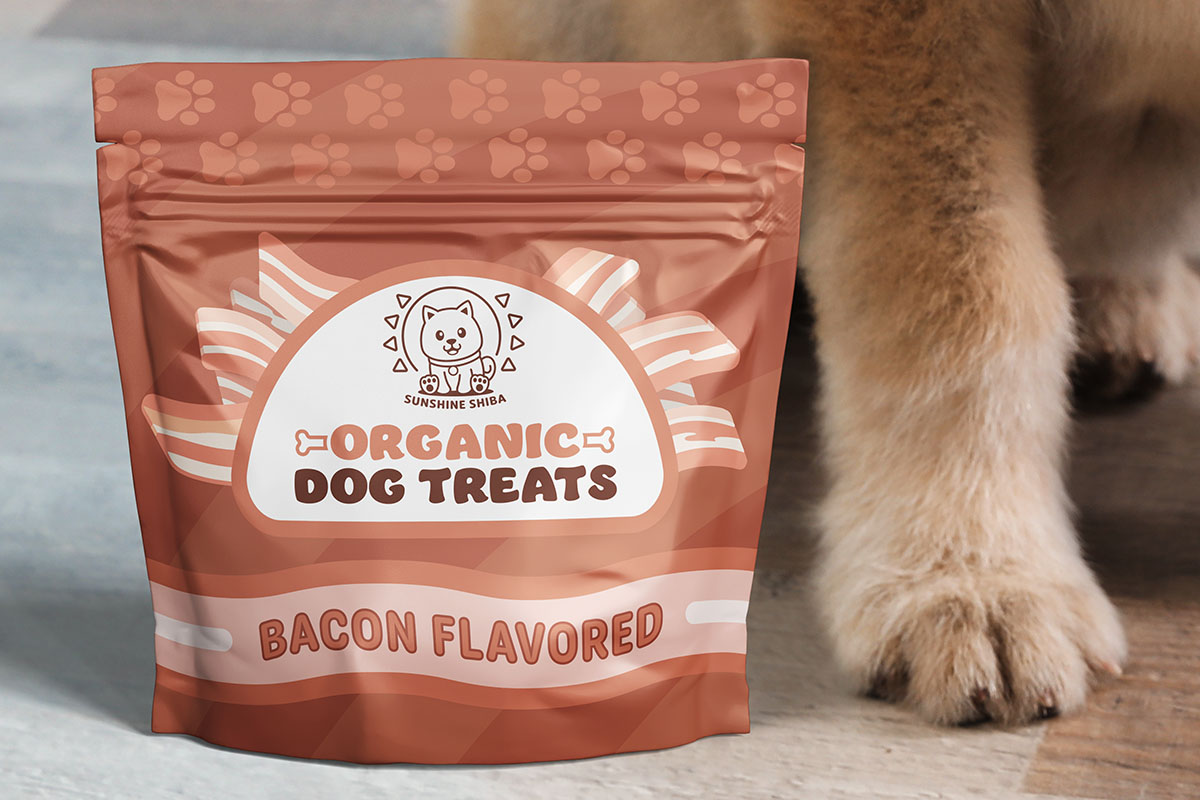
The 5 P's of Packaging for Success
24 March 2026
Many brands approach packaging as a final design step. Once the product is ready, they select a pouch, apply artwork, and move toward launch. This approach works temporarily, but growth quickly exposes its limitations. Packaging affects storage stability, shipping reliability, customer perception, and reorder efficiency.
The 5 P’s of packaging provide a practical framework for evaluating packaging decisions beyond appearance alone. When applied correctly, packaging becomes part of the product experience and operational strategy. The Packaging Lab helps brands implement these principles so packaging supports both presentation and performance from the start.
Why Packaging Functions as a Business System
Packaging influences more than storage. It affects how products ship, how customers handle them, and how consistently a brand can restock inventory. Because of this, packaging decisions impact operations, customer perception, and long-term scalability at the same time.
When treated as a system rather than a final step, packaging helps prevent fulfillment delays, protects product quality, and keeps branding consistent across reorders. Thinking this way allows brands to build processes that support growth instead of repeatedly fixing preventable issues.
Protect: Safeguarding Product Integrity
The first responsibility of packaging is protection. Custom food packaging, for instance, must maintain the product's condition from production through delivery and storage. Without proper barriers and structure, even high-quality products can degrade before reaching the customer.
Protection involves multiple factors:
- Barrier layers that limit air and moisture exposure
- Durable seals that prevent leaks or contamination
- Resistance to shipping pressure and handling
- Stability across temperature changes
When packaging performs reliably, customers experience the product exactly as intended. Consistent packaging protection builds trust before the product is even opened and reduces complaints tied to storage or transport conditions.
Present: Communicating Quality Instantly
Customers judge product quality within seconds of seeing it. This emphasizes the significance of first impressions in packaging. Before reading ingredients or instructions, they form an impression based on clarity, structure, and visual consistency.
Effective presentation depends on:
- Consistent color reproduction across SKUs
- Clean alignment of graphics and text
- Readable information layout
- Packaging structure that stands and stores well
Packaging design and presentation, therefore, communicate professionalism and reliability. A well-presented package reduces uncertainty for first-time buyers, leading them to believe the product has received similar care.
Promote: Turning Packaging Into Marketing
Packaging continues marketing long after a purchase is made. Every time a customer opens, stores, or shares the product, the package reinforces brand recognition. Instead of being a passive container, it becomes a repeated brand touchpoint.
Promotion through packaging includes:
- Recognizable shelf presence
- Memorable design elements
- Brand recall during repeat use
- Shareable appearance in photos or displays
Because packaging remains visible throughout the product lifecycle, it plays a key role in helping boost brand visibility and often outperforms advertisements in long-term exposure. Consistent presentation helps customers remember and repurchase the product.
Provide: Supporting Customer Experience
Usability directly influences customer satisfaction. Even a well-designed product can frustrate customers if packaging is difficult to open, reseal, or store. Convenience becomes part of product value.
Customer-focused packaging provides:
- Resealable closures for freshness
- Easy opening without tearing
- Compact storage in cabinets or bags
- Controlled pouring or portion access
When packaging simplifies daily use, customers perceive the product as more thoughtfully designed. A positive interaction encourages repeat purchases and reduces negative feedback unrelated to product quality.
Position: Supporting Brand Growth
As brands grow, packaging must scale with them. What works for small batches may create inefficiencies at higher volumes. Consistency across reorders becomes essential for maintaining identity and supply reliability.
Growth-ready packaging supports:
- Repeatable production results
- Predictable reorder timelines
- Stable pricing across quantities
- Reliable inventory planning
Working with a reliable online packaging supplier helps maintain consistency as demand increases. Stable packaging systems allow companies to focus on product development and marketing instead of troubleshooting supply issues.
Applying the 5 P’s With The Packaging Lab
The Packaging Lab approaches packaging as a long-term operational system rather than a single purchase. Our ordering process helps brands apply each of the 5 P’s before production begins, reducing uncertainty and improving repeatability.
Brands gain advantages, such as:
- Guidance on selecting appropriate packaging structures
- Flexible order quantities for testing and scaling
- Consistent results across reorders
- Clear workflow from proof approval to delivery
This approach helps brands build packaging that performs reliably from the first order through growth stages.
Build Packaging That Supports Long-Term Success
The 5 P’s of packaging show that packaging decisions influence product quality, customer perception, and operational stability. When protection, presentation, promotion, usability, and scalability align, packaging becomes part of the product’s value rather than an afterthought.
The Packaging Lab helps brands develop packaging systems designed for consistent performance and growth. Contact The Packaging Lab today to create packaging that supports both your product and your long-term success.