Minimalist vs. Maximalist Packaging: Which Style Fits Your Brand Best?
08 May 2026
Choosing a packaging look too early can lead brands in the wrong direction. When you compare minimalist vs. maximalist packaging, the better question is not which style looks more interesting. It is the style that helps your product communicate clearly, stand out appropriately, and feel aligned with your brand.
At The Packaging Lab, we look at packaging style as part of a larger brand decision. Packaging design affects shelf presence, readability, and how customers interpret your product before they ever try it, which is why style should support the product and sales strategy instead of acting as decoration alone.
What Minimalist and Maximalist Packaging Really Mean
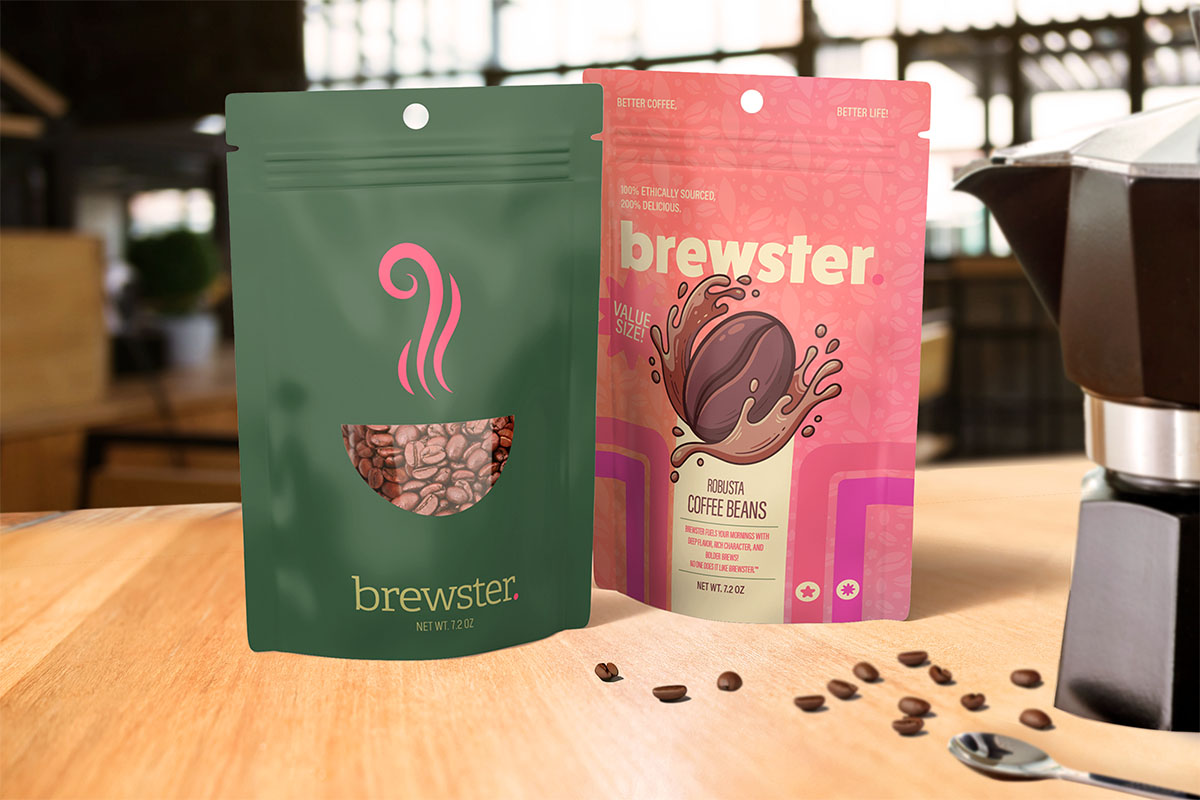
Minimalist and maximalist packaging are often seen as visual opposites. Minimalist design relies on restraint and a tight visual hierarchy, while maximalist design uses more color, texture, and detail to make a stronger first impression.
That distinction matters because packaging does more than hold a product. Research shows that the design significantly affects purchase choices, making style an important business consideration, not just an aesthetic one.
What Minimalist Packaging Tends to Emphasize
Minimalist packaging usually focuses on reduction. In practical terms, that can mean fewer design elements, more open space, simpler typography, tighter color use, and a clearer focal point on the package.
This style is ideal for brands seeking a controlled, refined look with easy readability. It emphasizes a clean information hierarchy, enhancing perceptions of quality, simplicity, and a premium tone.
What Maximalist Packaging Focuses On
Maximalist packaging usually leans into abundance. That can show up through bolder color combinations, more layered graphics, heavier pattern use, expressive typography, or a front panel that communicates more personality at once.
This style works well when a product needs visual energy or when the brand emphasizes playfulness, intensity, storytelling, or disruption. In the right context, it can make the package more memorable and immediate without being understated.
How Each Packaging Style Influences Brand Perception
Packaging shapes client perception before they even read the details. Complex designs appear lively, while minimalist ones suggest focus, affecting perceived value and brand personality.
When Minimalist Packaging Makes More Sense
Minimalist packaging is effective when it enhances the value proposition and is often a better fit when:
- The brand wants a cleaner, more focused visual identity
- The product is positioned as premium, modern, or straightforward
- Readability matters more than visual density
- The package needs a strong hierarchy with fewer competing elements
- The brand wants the product name, logo, or key claim to stand out quickly
That does not mean minimal packaging should feel plain. It means the product packaging design is doing more with less, which can be powerful when the product and audience respond well to restraint.
When Maximalist Packaging Is the Better Choice
Maximalist packaging can be useful for a brand that needs a strong visual impact. This approach works best when:
- The brand has a bold, playful, or highly expressive identity
- The product competes in a crowded visual category
- The package needs more color, pattern, or illustration to differentiate
- The brand wants a stronger sense of personality on the shelf
- The product benefits from a more energetic or story-driven front panel
A busier package is not automatically a better one. The design still needs structure, hierarchy, and purpose. When maximalism works, it feels deliberate rather than chaotic.
How to Choose the Right Packaging Style for Your Brand
Most brands should focus on packaging styles that best support their product and audience, considering how it will be perceived in the real world. That decision usually becomes easier when you evaluate style through the lens of fit instead of taste.
A practical way to evaluate the decision is to ask:
- Who is the product for? A design style should reflect how your target customer expects the brand to look and feel.
- What does the category already look like? The right move may be to align with category signals or break from them carefully.
- How much information does the package need to live on? A product with more on-pack communication needs a stronger hierarchy.
- Where will the product be sold? Shelf context matters because some styles stand out better in different retail environments.
- What brand position are you trying to reinforce? Packaging should support the intended perception, not compete with it.
The best packaging design direction is the one that helps customers understand the product faster and remember it more easily after they move on.
How The Packaging Lab Helps Brands Turn a Style Direction Into Real Packaging
A packaging style is only useful if it can be translated into an actual package that works for the product. Brands often have a clear direction in mind, but they still need help applying that direction to the right format, layout, and production-ready artwork.
Match the style to the format
A minimalist or maximalist direction should still fit the package structure. A brand's visual style must align with the package structure, whether it's a stand-up pouch, a lay-flat format, or rollstock for automated filling.
Use design support
Some brands have a vision but need help to realize it. The Packaging Lab's Design For Me service lets customers collaborate with designers via a questionnaire and asset upload, turning ideas into polished, production-ready packaging.
We provide flexible packaging formats that allow brands to showcase their style while ensuring practical design for real use.
Find a Packaging Style That Fits Your Product and Brand
When choosing between minimalist and maximalist packaging, consider brand identity, product information, and format. Whether opting for a stand-up pouch, lay-flat pouch, or rollstock film, aim for packaging that is visually appealing, functional, and aligns with your brand image.
If you are ready to refine your packaging design, contact The Packaging Lab today to explore the best fit for your product and brand. Neither style is inherently better. The best choice depends on your product's messaging, urgency, and the desired customer response.