What to Ask When Comparing Domestic and Overseas Food Packaging Suppliers
22 May 2026
Price is usually the first thing buyers compare, but it should not be the only thing driving the decision. When evaluating food packaging suppliers, ask about their handling of materials, proofs, production timing, communication, and reorders to get a complete picture beyond just costs.
At The Packaging Lab, we make supplier comparison easier by providing various flexible packaging formats, dielines, material specifications, and design support through Design For Me. These details are crucial when evaluating domestic vs. overseas packaging suppliers and understanding the support available before and after ordering.
Why Supplier Questions Matter More Than Simple Price Comparisons
Food packaging decisions affect more than appearance. The FDA says food contact substances include food packaging and its components, and companies are responsible for ensuring food contact materials are properly authorized under the FDA's regulatory pathways before bringing them to market. That is one reason supplier evaluation should go beyond price and into material suitability, intended use, and documentation.
Domestic and overseas suppliers each face real trade-offs beyond the per-unit price. Local suppliers generally offer shorter lead times, faster sample delivery, and easier communication, while overseas suppliers may quote lower per-piece prices that are offset by freight, tariffs, longer production windows, and the inventory needed to buffer shipping delays. Verifying food-contact compliance can also take more diligence when documentation comes from outside the U.S. regulatory framework.
This is also why broad assumptions about local versus international sourcing can be misleading. The more useful comparison is whether the supplier can clearly explain the material structure, intended food use, approval process, and production workflow for your product. A lower quote does not help much if the supplier cannot answer the questions that affect packaging fit, timing, or confidence before production starts.
Questions About Food-Contact Materials and Product Fit
The first group of questions should focus on whether the package is actually suitable for your product. This is where buyers should move past general marketing claims and ask what materials are being used. The FDA offers resources and an inventory of approved substances under 21 CFR, highlighting the importance of intended use in packaging decisions.
A practical set of questions includes:
- What material structure are you recommending for my product?
- Is that structure intended for my food type and use conditions?
- Can you provide material specifications or other documentation to review?
- Can I see samples before placing a larger order?
Instead of assuming one supplier is better because of location alone, you can compare how clearly each one explains product fit and how willing they are to support verification before you commit.
Questions About Proofing, Artwork, and Print Consistency
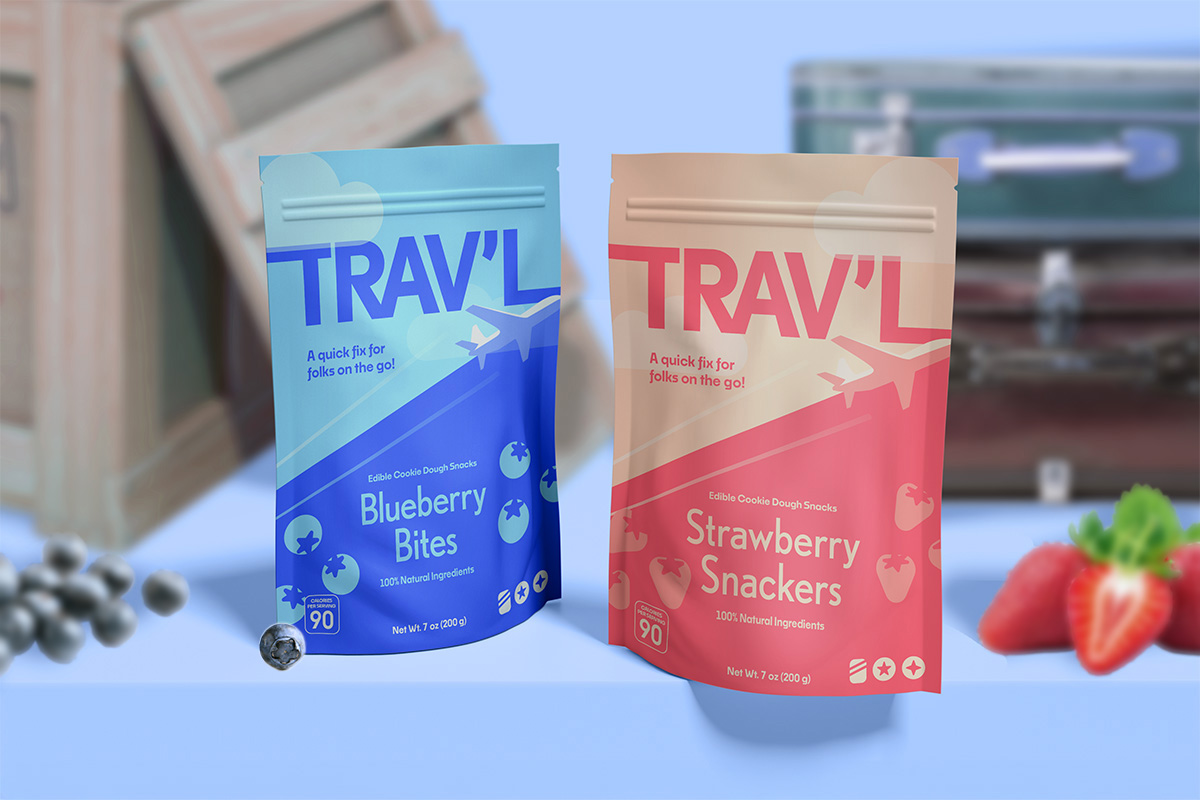
A supplier may offer attractive pricing, but unclear artwork and proofing protocols can complicate the ordering process and erase those savings. To avoid delays, ask your stand-up pouch supplier about their file preparation requirements, proofing steps, and change processes before final approval. Clear communication helps achieve consistent brand colors and design across production runs.
Questions worth asking here include:
- What file format do you require?
- Do you provide dielines or setup guidance?
- How are proofs reviewed and approved?
- What happens if the artwork needs revisions?
- How do you help reduce print errors before production?
A supplier that explains the artwork process clearly can reduce avoidable delays and help the project move more smoothly from concept to finished packaging.
Questions About Lead Times, Shipping, and Reorders
Timing should be considered early in the comparison process, whether evaluating local versus international packaging suppliers or narrowing a shortlist. It's important to clarify the production timeline and any factors that could shift it.
You can learn a lot by asking:
- What is the current production turnaround?
- What factors can delay manufacturing or shipping?
- How are rush orders handled?
- What does the reorder process look like?
- Will I work through the same process again on future runs?
To see the quality of our materials and finishes firsthand before you commit to a timeline, you can explore our custom stand-up pouch sample pack. Once you have samples in hand, you can more confidently discuss reorder minimums and logistics with your team.
Questions About Communication and Problem Resolution
Managing supplier relationships is simpler with direct communication and clear documentation of expectations. This influences quote revisions, artwork approval, and handling production issues.
Useful questions here include:
- Who will be my main point of contact?
- How are updates shared during production?
- What happens if there is a file issue or order problem?
- How are approvals documented?
- What support is available after the order is placed?
These questions are crucial when comparing local packaging suppliers to overseas options, as process clarity and responsiveness may outweigh just location.
How to Compare Food Packaging Suppliers More Confidently
The best supplier is not automatically the closest or the cheapest. Identifying the key qualities of a reliable packaging partner, such as technical expertise and supply chain transparency, is essential. The right choice is the one that gives you the clearest path from product requirements to approved, consistent, repeatable production with fewer unknowns.
A useful comparison process looks like this:
- Start with your product, format, and food-contact needs.
- Narrow suppliers by material fit and packaging format availability.
- Compare proofing, artwork support, and documentation.
- Review timing, shipping, and reorder expectations.
- Choose the supplier that reduces uncertainty, not just quoted cost.
This approach helps buyers make informed decisions when comparing local and international packaging suppliers, without making assumptions about ordering packaging designs.
Talk Through Your Food Packaging Options With More Clarity
The Packaging Lab gives brands several tools that make supplier evaluation more concrete. These resources can make it easier to compare packaging formats and understand the support available before moving into production.
When choosing a food packaging supplier, consider factors such as food-contact suitability, proofing processes, timelines, communication, and reorder support. This helps ensure a successful long-term partnership. If you’re exploring options, contact The Packaging Lab today to discuss your project formats, materials, and support.