Packaging Trends Food Brands Should Actually Care About in 2026
29 May 2026
There is no shortage of packaging predictions every year, but not all of them deserve equal attention. When food brands look at packaging trends in 2026, the real question is which shifts are likely to affect packaging decisions, product presentation, supplier conversations, and speed to market in a meaningful way.
At The Packaging Lab, we think trend content is only useful when it helps brands make better choices. A trend may be interesting from a branding standpoint, but if it does not improve food packaging, clarify design, or support a stronger workflow, it may not deserve immediate action. The Packaging Lab’s current offering reflects that practical lens, an approach focused on real packaging execution rather than abstract ideas.
Why Food Brands Need to Filter Packaging Trends More Carefully in 2026
The 2026 packaging conversation is being shaped by a few recurring pressures rather than one dominant aesthetic trend. A recent industry report by Packaging Digest points to sharper brand focus, faster speed to market, more flexible visual systems, affordability, and circularity-related pressure as major forces shaping decisions this year.
This matters because food brands shouldn't rush to adopt every new idea; instead, they should evaluate whether a trend enhances communication, improves production efficiency, or supports product protection and brand clarity to justify the change.
1. Sustainability Still Matters, but It Has to Protect the Product Too
Sustainability remains central to packaging conversations, but the discussion is maturing. Packaging should not be judged in isolation from its ability to deliver the product’s full value. Insights from IFCO similarly emphasize anti-waste packaging designed to protect fresh food and reduce waste across its lifecycle.
For food brands, the key trend is to choose packaging that minimizes unnecessary material and supports circularity goals without compromising product protection, freshness, or usability. If sustainable changes lead to increased product loss, damage, or confusion, they may not be the best option.
2. Faster Packaging Development Is Now a Competitive Edge
In 2026, speed is essential in packaging, with an emphasis on how quickly brands can test and launch new designs. The ability to enter the market faster and utilize AI-driven workflows significantly impacts branding and packaging decisions. This rapid development is particularly important for food brands during product launches, seasonal updates, and SKU expansions.
That does not mean moving fast just to move fast. It means brands should care about packaging systems and supplier workflows that support quicker iteration without losing control over review quality or print readiness. To enhance your supply chain efficiency, learn what questions to ask when evaluating local vs overseas food packaging suppliers.
3. Packaging Design Is Getting More Focused and More Flexible
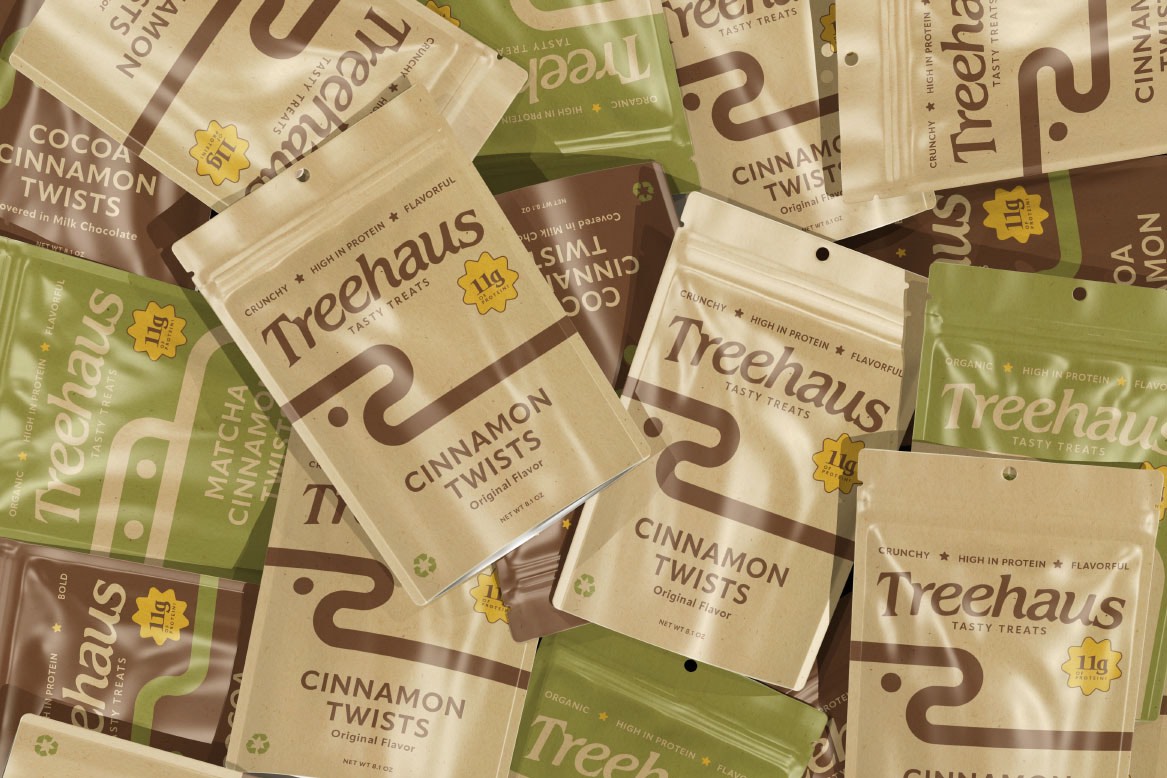
A useful 2026 shift in packaging design is the move toward clearer brand focus and more adaptable design systems. If you need expert help creating these layouts, utilizing strategic packaging design services makes it much easier for food brands to manage multiple products, channels, and line extensions smoothly.
In practical terms, that means packaging needs to communicate quickly and adapt to various use cases while maintaining brand recognition. Food brands should focus on clear front panel designs that highlight key information and ensure consistency across different SKUs, sizes, and formats.
4. Policy Pressure and Claim Scrutiny Are Becoming Harder to Ignore
Policy and claim scrutiny are becoming more relevant in 2026 packaging decisions, particularly regarding recyclability, transparency, and material disclosures. Policy is shaping the industry's direction, and for food brands, the implications now go beyond simple compliance.
Therefore, food brands must closely review packaging copy and material descriptions before printing. A visually appealing package still requires validation of claims and alignment with supplier documentation.
5. Value and Practicality Matter More Than Novelty
Affordability and practicality continue to shape packaging choices in 2026, emphasizing value, simplicity, clarity, and convenience. This trend is particularly important for food brands balancing shelf appeal with practical performance, making versatile formats like custom printed pouches an excellent way to boost visibility quickly without driving up overhead costs.
This is why not every new idea deserves immediate action. A packaging change that raises costs without improving communication, usability, or product fit may not be wise. Effective updates should enhance clarity, protect the product, or improve the customer experience.
6. AI-Assisted Packaging Workflows Are Becoming More Normal, but Human Review Still Matters
Artificial intelligence plays a significant role in the 2026 packaging conversation, primarily enhancing workflows rather than replacing strategic elements. These modern, AI-assisted packaging workflows speed up packaging adaptation and activation, positioning AI as a tool for efficiency and rapid iteration rather than a full creative replacement.
For food brands, that means AI is most useful when it helps generate options, test directions, and move early-stage work forward more efficiently. However, human review remains essential for brand fit, packaging format, and print readiness, making this trend best viewed from a workflow perspective rather than a hype perspective.
How Food Brands Should Decide Which Packaging Trends Are Worth Acting On
The best way to evaluate packaging trends is to treat them like business filters rather than inspiration boards. A practical evaluation process looks like this:
- Start with product and category fit. A good trend for one food brand may be irrelevant for another.
- Ask whether it improves packaging performance or communication. Better protection, clarity, or usability matters more than novelty alone.
- Check whether it supports production and supplier realities. Trends that are difficult to execute may need to wait.
- Filter out anything that looks current but solves no real problem. Not every visible trend deserves action.
- Prioritize the trends that strengthen the brand and the package together. The most valuable changes usually improve both function and presentation.
A trend is more valuable when it helps solve a real packaging problem, supports a product goal, or improves how the brand shows up in the market. To explore practical examples of these filters in action across the marketplace, browse our dedicated resources for food brands and products.
Build Packaging That Reflects the Right Trends, Not Just the Loudest Ones
Food brands do not need to chase every new idea in 2026. Trends are only useful if they can be translated into actual packaging. The more useful approach is to focus on packaging trends that improve protection, clarity, speed, flexibility, and trust, because those are the changes most likely to influence real packaging outcomes.
If you are reviewing how current trends may affect your next packaging decision, contact The Packaging Lab today to compare formats, design support, and practical options for your product.