Flow Wrap vs. Pouches: Which Fits High-Speed Snack Bars?
19 June 2026
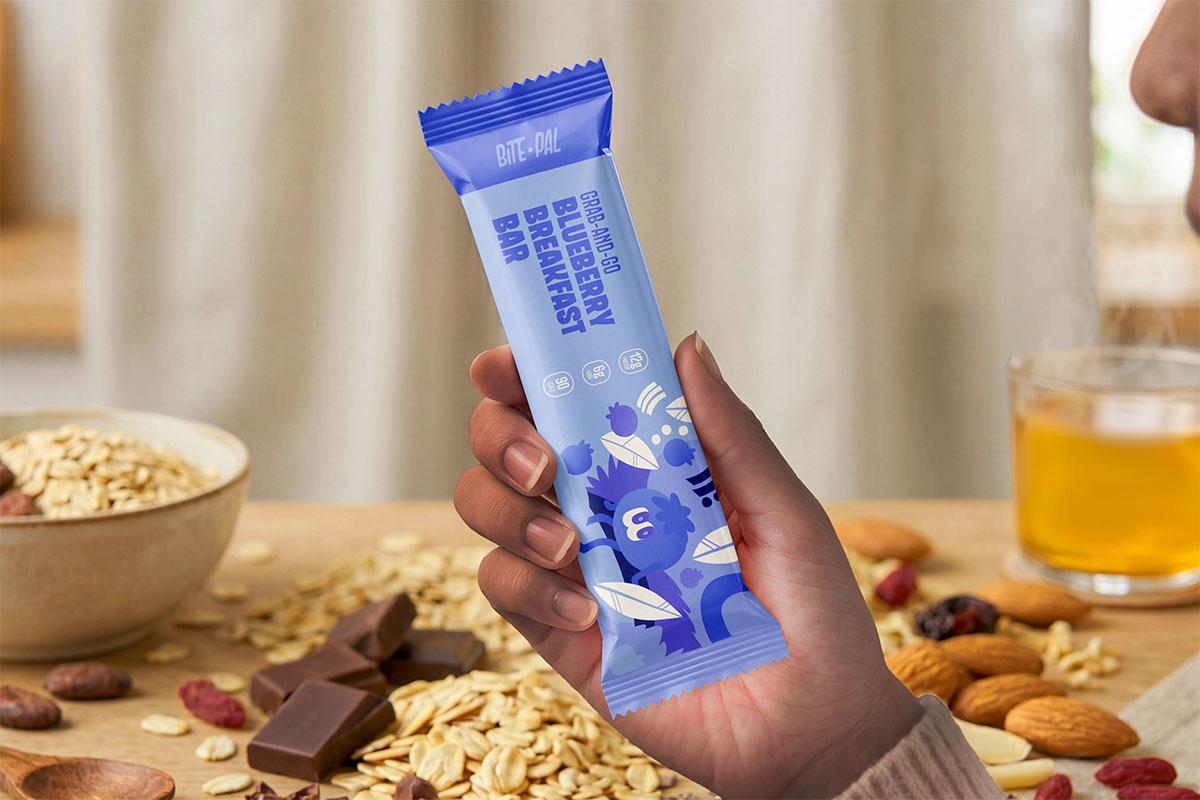
Snack bar packaging has to do more than carry a label. The format needs to match the product shape, packing equipment, line speed, seal requirements, and how the customer will use the product after opening. For many single-serve snack bars, flow wrap is a practical fit because it uses rollstock film to form and seal around individual products on automated equipment.
Pouches still have a place, especially when resealability, multi-serve use, or a stand-up retail format matters more than speed. The better choice depends on how the snack bar is produced, packed, sold, and consumed.
What Is the Difference Between Flow Wrap and Pouches?
Flow wrap uses rollstock film that is formed around each product on a machine, while pouches are pre-made packages that are filled separately. For snack bars, this difference matters because the packaging format affects production speed, machine setup, package feel, and customer experience.
Individual bars are the most common application for flow wrapping since the process creates a tight, highly compact enclosure around a uniform shape. Conversely, pre-made pouches are far better suited for multi-serving product lines, variety packs, or premium single bars within a custom snack packaging line that need to stand upright on retail shelves and feature reliable, reusable closures.
|
Packaging Format |
How It Works |
Best Fit |
Main Limitation |
|
Flow wrap |
Rollstock film forms around each product, then seals and cuts |
Single-serve bars and automated lines |
Requires product and machine compatibility |
|
Pouches |
The pre-made package is filled and sealed |
Multi-serve, resealable, or stand-up packaging |
Usually not the fastest fit for individual bar wrapping |
Why Does Flow Wrap Often Fit High-Speed Snack Bars?
Flow wrap often fits high-speed snack bars because shape-stable products can move through a horizontal form-fill-seal line in a repeatable way. Bars that are consistent in size, texture, and placement are generally easier to wrap at speed than products with irregular dimensions or loose components.
On a horizontal flow wrapper, the equipment typically forms a fin seal and end seals around each product as the film moves through the line. This makes flow wrap a strong candidate for many protein bars, granola bars, nutrition bars, and similar single-serve products.
What Makes Snack Bars a Good Fit for HFFS Packaging Film?
Snack bars can be a good fit for HFFS packaging film when they have a stable shape, predictable dimensions, and enough structure to move through equipment without shifting or breaking. The film also needs to match the wrapper’s speed, heat, tension, and registration requirements.
This is where early testing matters. A bar that packs well by hand may still create problems on an automated line if the product sticks, crumbles, varies in size, or leaves too little seal area at the ends of the package.
When Are Pouches the Better Choice?
Pouches are the ideal choice for multi-serve snacks or any product that requires reliable resealability between uses. Unlike traditional single-serving bars, pre-made pouches provide structural stability for display and allow brands to showcase irregular shapes and larger quantities efficiently.
Where Pouches Make More Sense
Pouches are most useful when the package experience depends on storage and repeated access. They can support a different customer habit than single-serve snack packaging film. Pouches may fit better for:
- Multi-serve snacks that customers reopen over time.
- Smaller production runs are filled manually or semi-automatically.
- Products that benefit from stand-up pouches retail presentation
- Items that do not feed cleanly as individual units.
The choice should follow the product and packing method, not just the appearance of the finished package. A pouch can look more substantial, but it may not be the right format if the goal is fast, efficient wrapping of individual bars.
What Can Go Wrong With the Wrong Flow Wrap Film?
Using the wrong flow wrap film can cause weak seals, misregistration, web breaks, poor package appearance, and production interruptions. These issues often manifest during packing, not during the artwork stage.
Flow wrap film has to perform under tension, heat, speed, and repeated machine movement. A bar wrapper is not just a printed surface. It is part of the production process.
Common Film and Line Fit Issues
The most important issues usually connect back to machine compatibility. Brands should review material specifications with the co-packer or equipment team before committing to a production order. Common problems include:
- Seal layers that do not match heat, speed, or dwell time
- Film that tracks poorly or creates registration issues
- Roll specs that do not match the packing equipment
- Barrier levels that do not fit the product’s storage needs
These issues can affect throughput, appearance, and consistency. Testing the film before scale-up helps reduce avoidable surprises on the line.
What Flow Wrap Film Options Does The Packaging Lab Offer?
The Packaging Lab offers custom-printed flow wrap film for brands that need machine-ready rollstock for HFFS lines. For snack bar brands, this can help connect custom design needs with the rollstock requirements of the packing process.
The Packaging Lab’s flow wrap film options include clear, white, and metalized films, with high-barrier structures available where needed. Brands can also choose gloss or matte custom printing, order with no minimums, and use standard or expedited turnaround options.
Why Custom Flow Wrap Packaging Helps Growing Brands
Custom flow wrap is ideal for snack brands needing printed packaging for product testing, flavor launches, or early retail opportunities without the commitment of large orders. This flexibility helps brands refine bar size, flavor lineup, artwork, or production volume, allowing them to test packaging before larger runs.
How Should Snack Bar Brands Choose Between Flow Wrap and Pouches?
Snack bar brands should choose flow wrap when speed, single-serve format, and machine compatibility are most important. Pouches may be a better choice when resealability, manual filling, multi-serve use, or upright display are prioritized.
A simple way to compare options is to consider the product’s actual use case. A bar eaten in one sitting usually indicates flow wrap, while a product requiring repeated access may be better suited to specialized sweets-and-snacks packaging.
Choose Flow Wrap If Speed and Single-Serve Use Matter Most
Flow wrap is often the better fit when the product is consistent, individually portioned, and ready for automated packing. It effectively supports snack bars that require compact packaging, reliable seals, and efficient movement through the wrapping line.
This format works best when you have already confirmed the bar shape, equipment setup, and film requirements. For high-speed snack bars, these details are essential to the packaging decision.
Choose Pouches If Resealability or Multi-Serve Use Matters More
When the pouch use-cases described earlier apply, repeat access, multi-serve portions, upright display, or small-batch filling before automating, a pouch is the better fit than flow wrap.
The best packaging format is the one that supports both the product and the process. Flow wrap and pouches each address different packaging needs.
Need Flow Wrap Film That Fits Your Snack Bar Line?
Choosing between flow wrap and pouches starts with the product itself. A high-speed snack bar needs packaging that works with the bar shape, film requirements, packing equipment, and customer use patterns.
The Packaging Lab offers custom rollstock film for HFFS lines and a full range of stand-up and lay-flat pouch options, all with no minimum order quantity and 24-hour turnaround on standard orders. This makes it practical to test new flavors, refine artwork, or run small batches before scaling to larger production. Contact The Packaging Lab to build packaging that fits your snack product, production plan, and next stage of growth.