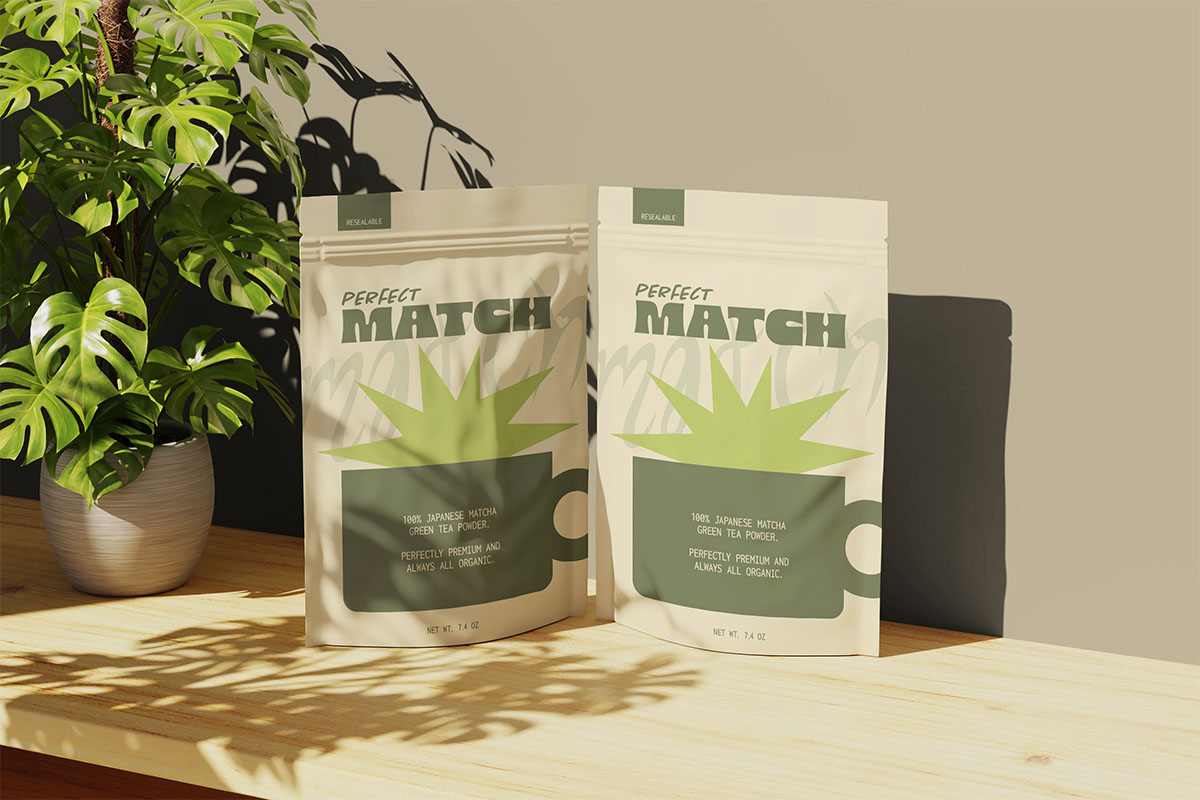
Why Custom Mylar Bags Are a Strong Fit for Light-Sensitive Products
03 July 2026
Light-sensitive products need packaging that does more than look polished on a shelf. Coffee, dehydrated foods, supplements, powders, and specialty dry goods can be affected by exposure to light, moisture, oxygen, or outside handling conditions, depending on the product and storage environment.
Custom Mylar bags can be a strong fit for these products because they combine protective pouch structures with flexible sizing, custom printing, and shelf-ready presentation. The right structure should match the product’s exposure risks, filling process, and customer use pattern instead of being chosen by appearance alone.
Why Do Light-Sensitive Products Need Better Packaging?
Light-sensitive products need packaging that helps limit exposure to light, oxygen, and moisture because those factors can affect aroma, color, texture, potency, or perceived freshness depending on the product. A clear or low-barrier package may work for some items, but sensitive products often need more protection before they are stored, shipped, or displayed.
Light Exposure Can Change the Customer’s First Impression
Customers often judge sensitive products through appearance, aroma, and texture before they understand the full product details. For some products, prolonged exposure may contribute to visible or sensory changes that make the item feel less fresh or less consistent. USDA research on sensory quality protection notes that active packaging interventions can help reduce light-induced damage to product quality.
Packaging cannot fix every storage or formulation issue, but it can help reduce avoidable exposure. For brands selling products that depend on aroma, color, or perceived potency, the pouch structure becomes part of the customer experience.
Barrier Needs Depend on the Product
Not every product needs the same level of protection. Mylar pouches for coffee, bags for dehydrated foods, and Mylar bags for supplements and powders may all have different requirements based on ingredients, fill weight, oxygen sensitivity, and expected shelf life.
A better starting point is to ask what the product is most vulnerable to. Light, moisture, oxygen, aroma loss, and repeated opening can all affect packaging decisions, but the right priority depends on the product inside.
What Are Custom Mylar Bags?
Mylar bags are flexible pouch structures designed to combine barrier protection with printed branding, sizing, and format options. For many brands, “Mylar” refers to a foil-style or metallized flexible package used when a standard clear pouch may not provide enough protection.
The Packaging Lab offers a range of custom Mylar bag formats designed to help block moisture, oxygen, and light while supporting flexible sizes, finishes, and pouch formats. This makes them useful for brands that need protection and shelf presentation to work together.
Why “Mylar” Usually Refers to a Barrier Packaging Structure
In everyday packaging conversations, brands often use "Mylar bags" to describe high-barrier metallized film pouches. The goal is usually to reduce exposure, improve shelf presentation, and create a sturdier packaging experience for sensitive goods.
Why Custom Printing Still Matters
Protection is only part of the packaging decision. A pouch also needs to explain the product clearly, support the brand, and make the item easy to identify on the shelf or in an online order.
Custom print allows brands to include flavor cues, usage details, product claims, instructions, and shelf-ready graphics without relying on generic packaging. For smaller or growing brands, using high-quality graphics to boost brand visibility can help the product feel more finished while still matching practical pouch needs.
Which Products Often Benefit From Light-Blocking Pouches?
Light-blocking pouches can be useful for products that are affected by light, oxygen, moisture, aroma loss, or long storage conditions. The format is often considered when the product needs more protection than basic flexible packaging can provide. Common fits include:
- Coffee and tea products where aroma and freshness perception matter.
- Dehydrated foods that may need pantry, outdoor, or emergency-use storage.
- Supplements and powders that call for moisture-conscious packaging.
- Specialty dry goods where color, aroma, or texture supports product value.
These examples do not mean every product needs the same structure. The right pouch should match the product’s risk profile, storage conditions, and customer use.
How Do High-Barrier Metallized Films Help Protect Products?
High-barrier metallized film can help limit light, oxygen, and moisture exposure compared with more basic film structures. For sensitive products, that added protection may support a better customer experience during storage, shipping, and display.
Light-Blocking Supports Sensitive Ingredients
Opaque or metallized layers can help reduce product exposure to light before the customer opens the package. This may matter for products where color, aroma, oils, or active ingredients are part of perceived quality.
This does not mean a pouch prevents every quality change. Filling conditions, formula, storage temperature, package handling, and seal integrity still influence how the product performs over time.
Moisture and Oxygen Barriers Support Shelf Stability
Moisture and oxygen exposure can affect products in different ways. Some items may clump, lose aroma, absorb outside odors, or feel less consistent if the packaging does not match the product’s sensitivity.
High-barrier metallized film works best when it is paired with the right packaging closure, seal area, and fill process. A strong material choice still needs clean sealing and proper handling to support the finished package.
What Mistakes Do Brands Make With Mylar Packaging?
Brands often run into issues when they choose Mylar packaging based only on appearance, price, or pouch size instead of product sensitivity and filling needs. A metallic look can suggest protection, but performance depends on the full pouch structure. Common mistakes include:
- Choosing a pouch before confirming barrier requirements
- Using a format that does not fit the filling process
- Ignoring the zipper, tear notch, window, or hang-hole needs
- Treating custom print as separate from the package function
A pouch that looks protective may still fall short if it is hard to fill, hard to open, poorly sealed, or confusing on the shelf. Product testing and sample review help catch those issues before a larger order.
Are Food-Grade Mylar Bags the Right Fit for Your Product?
Food-grade Mylar bags may be the right fit when the product needs compatible food-contact packaging and a higher-barrier structure. The final decision should still account for product type, fill process, storage expectations, and how customers will open and reuse the package.
Coffee, powders, supplements, and dehydrated products may all benefit from different pouch features. Some need a zipper for repeated use, while others may need a compact single-use packaging or heat-sealed format that prioritizes protection before opening.
How Can The Packaging Lab Help With Custom Mylar Bags?
At The Packaging Lab, we are dedicated to helping brands craft custom Mylar bags for food packaging that prioritize safety, innovative design, and easy ordering. We believe in creating packaging that not only looks shelf-ready but also meets all barrier and handling needs, ensuring your product shines while staying protected.
Available options include flexible sizes, finishes, and various pouch formats that can support shelf-ready graphics, lightweight packaging, and repeated open-close use when the format calls for it. Brands can use these options to align the package with the product’s sensitivity, visual direction, and sales channel.
Need Custom Mylar Bags for a Sensitive Product?
The right Mylar pouch starts with what the product actually needs protection against: light, oxygen, moisture, aroma loss, or a combination. From there, format, closure, fill process, and shelf presentation all factor into the structure that fits.
Contact The Packaging Lab to walk through your product's exposure risks, storage conditions, and customer use patterns. We can help align the pouch structure with the protection your product needs and the shelf experience your brand wants, with no minimum order quantity and 24-hour turnaround on standard orders.