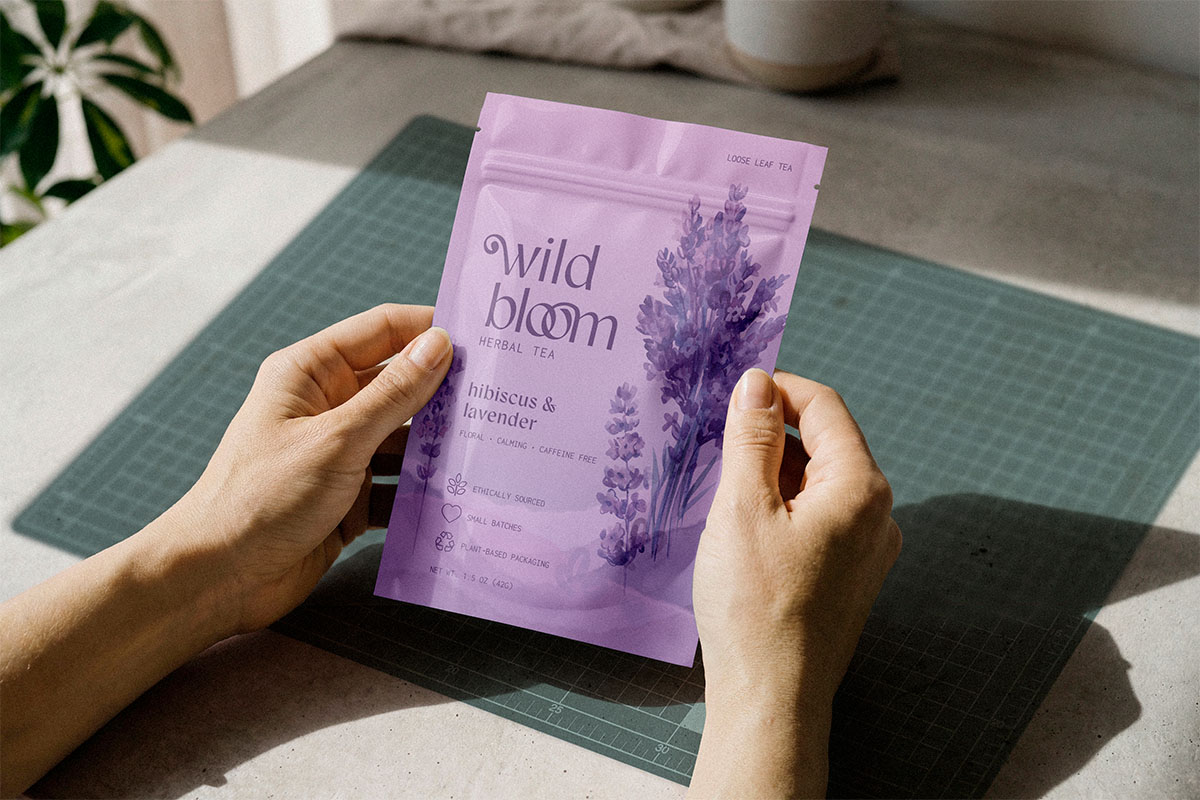
What Minnesota's 2028 Packaging Rules Could Mean for Your Pouches
24 July 2026
Note: This article is general information, not legal advice. Regulatory status changes; verify current requirements with legal counsel, the Minnesota Pollution Control Agency, and your supplier documentation before making compliance decisions.
Pouch packaging in Minnesota is facing more scrutiny as state packaging rules continue to change. For food brands, supplement companies, coffee roasters, and CPG startups, the concern is not that every pouch will disappear. The concern is whether certain materials, coatings, additives, or chemical classes could create compliance risk.
Minnesota already has packaging-related PFAS restrictions and an extended producer responsibility law for packaging and paper products. Both are binding now. What gets discussed as Minnesota's 2028 packaging rules is something different: a bill that would prohibit 18 chemicals in packaging starting in 2028, which has not moved since it was introduced. Telling the two apart is the first step, and it is a reason to pull your material specs and supplier documentation now rather than panic.
Could Pouch Packaging in Minnesota Be Banned?
Some pouch packaging in Minnesota faces real compliance risk, but the risk sits in the materials, not the format. Intentionally added PFAS, certain coatings, and specific chemical classes are what trigger obligations. The useful frame is not "flexible packaging is banned," it is "which of my components can I document?
Current Law and Proposed Rules Are Not the Same
Minnesota has two active packaging laws: the PFAS restrictions and the Packaging Waste and Cost Reduction Act. Those carry obligations today. The widely circulated "2028 ban" is not one of them. It is a bill, and it has not become law.
That distinction matters more than it sounds. Secondary summaries and search results still describe the 2028 proposal in language that reads as imminent, which is how a stalled bill ends up driving a purchasing decision.
Material Details Matter More Than the Package Name
“Pouch packaging” is too broad to judge by format alone. Flexible packaging can include different films, coatings, inks, adhesives, zippers, valves, and food-contact layers.
The real question is what the pouch is made from and whether those components align with current Minnesota rules, customer requirements, retailer standards, and future compliance expectations.
What Does Minnesota’s Packaging Waste and Cost Reduction Act Mean for Flexible Packaging?
Minnesota’s Packaging Waste and Cost Reduction Act creates extended producer responsibility obligations for packaging, food packaging, and paper products sold or distributed into the state. For brands using flexible packaging, recyclability, reuse, compostability, material reduction, and producer fees are now part of the packaging decision, not future considerations.
Minnesota has become the fifth state to pass an EPR law for packaging and paper. This law covers various packaging materials, including containers and components like coatings, closures, inks, dyes, labels, and adhesives.
This matters because flexible packaging is not evaluated only as a pouch shell. The full packaging system can matter, including the printed layers and other components that support the finished package. Flexible pouches balance barrier protection, shelf life, print quality, and end-of-life handling. A material that serves one of those goals usually costs you on another, which is why the assessment has to happen per product and per sales channel.
How Do PFAS Rules Affect Pouch Packaging?
PFAS rules may affect pouch packaging when intentionally added PFAS are present in a covered package or packaging component. For food brands, this is especially important because Minnesota’s PFAS food packaging restrictions took effect before some of the broader product restrictions now being phased in.
Minnesota’s PFAS food packaging statute defines “intentionally added” PFAS as PFAS deliberately added during manufacture, where the continued presence is desired in the final package or component to perform a specific function. The Minnesota Pollution Control Agency's PFAS prohibitions and reporting page is the current source for scope and timing.
Food Packaging Has Already Been Part of Minnesota’s PFAS Timeline
Food packaging is not just a future issue in Minnesota. State PFAS requirements have already affected certain food packaging categories, which makes supplier review important for brands selling into the state.
Packaging teams should avoid assuming a pouch is acceptable simply because it is common in the market. When PFAS status matters, brands should ask for current records tied to the specific material, not a general assurance about flexible packaging — one of several questions worth asking any packaging supplier before you commit to a material.
Reporting and Broader PFAS Rules Continue to Evolve
Minnesota’s broader PFAS product rules are being implemented in phases. This means brands should expect continued questions about intentionally added PFAS, reporting, documentation, and product category coverage.
This article is not legal advice. Brands should verify requirements with legal counsel, regulators, and supplier documentation before making compliance decisions.
Where Do Minnesota's 2028 Packaging Rules Actually Stand?
As of now, they are a proposal that has not advanced. In February 2025, SF 1380 and companion HF 1486 proposed prohibiting 18 chemicals and chemical classes, among them PVC, polystyrene, bisphenols, and halogenated flame retardants, in any packaging sold into Minnesota on or after January 1, 2028, with a $25,000 penalty per violation and a Department of Health review of the list every three years.
According to the Legislature's own records, each bill has one recorded action: introduction and first reading, referred to committee. SF 1380 on February 13, 2025, and HF 1486 on February 24, 2025. Neither has received a hearing, a vote, or an amended version, and the 2025–2026 session adjourned on May 18, 2026. Brands can check the current status directly on the Minnesota Revisor of Statutes page.
Whatever happens to this particular bill, the direction is visible in the laws Minnesota has passed. Knowing what is actually in your pouch structure is not preparation for a hypothetical deadline; it is what the enacted PFAS and EPR rules already ask of you.
What Should Brands Ask About Flexible Packaging Materials?
Brands should ask local packaging suppliers about PFAS status, food-contact suitability, material structure, inks, coatings, adhesives, and available documentation before ordering pouch packaging for Minnesota distribution. Useful questions include:
- Is the pouch intended for food-contact use?
- Are intentionally added PFAS present?
- What specific films, coatings, and inks are used?
- Is supplier documentation available for the specific material?
- Does the pouch align with current and expected Minnesota requirements?
Packaging review is not only a legal task. It can also protect launches, retail approvals, buyer conversations, and customer trust.
Is Your Packaging Ready for Minnesota’s Next Rule Change?
For brands selling into Minnesota, waiting until a deadline arrives makes packaging updates harder to manage. The Packaging Lab can help you weigh packaging options and answer the questions above about your specific structure, film, coatings, inks, and food-contact layers, with documentation tied to the material you actually order, not a general assurance about flexible packaging. Contact The Packaging Lab today to start evaluating packaging that fits your product and your next compliance check.