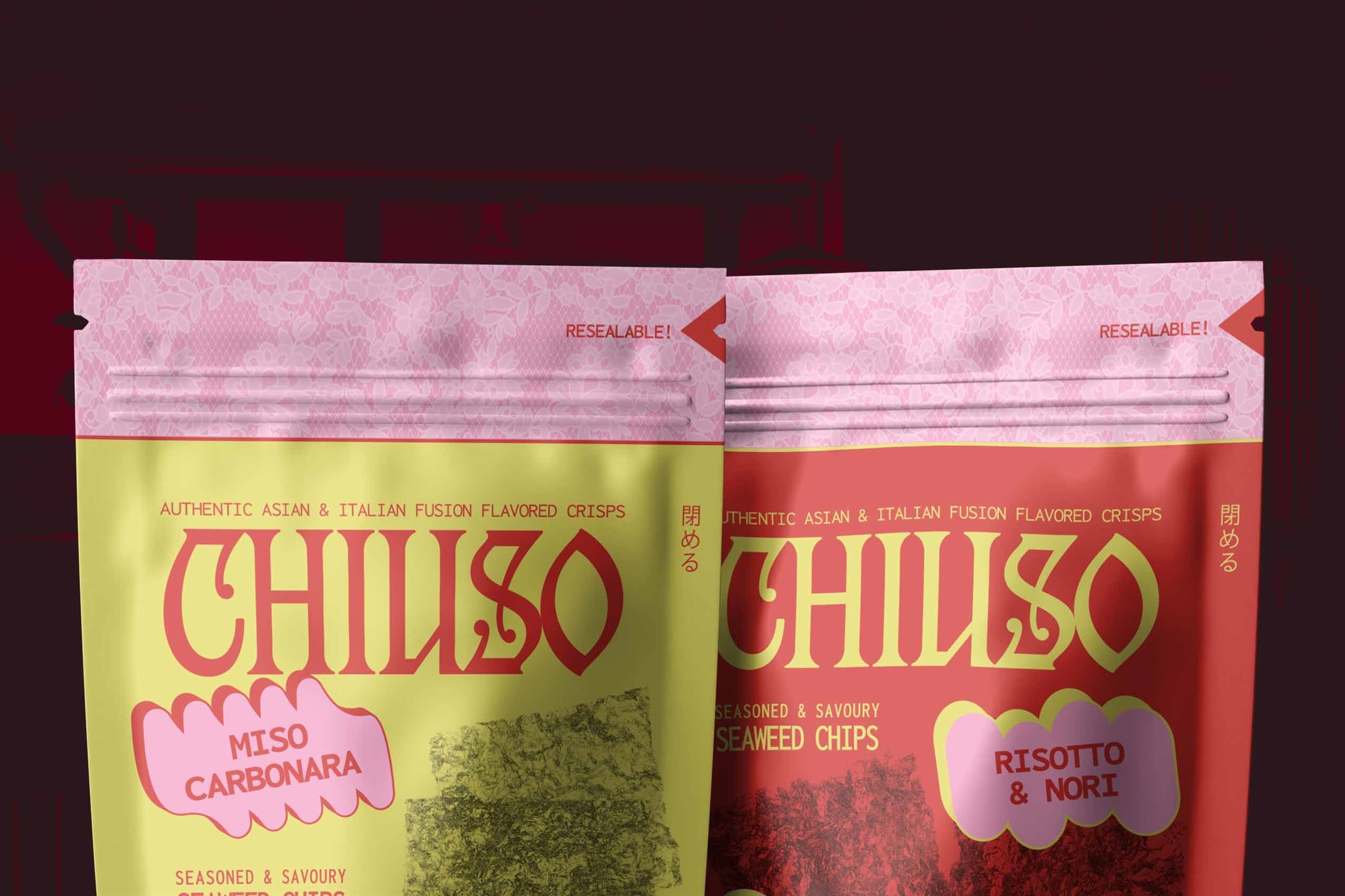
Resealable Pouch Closures: Which Type Do You Need?
28 August 2026
A resealable pouch looks simple from the outside, but the small track along the top does a lot of work, and not every version behaves the same way. Resealable pouch closures come in several styles, and the right one depends on what you are packing, how fine it is, and who opens it. Pick wrong, and customers end up with a track that will not seal or clogs on the first use.
One thing up front, so you can skip ahead if it applies. We make press-to-close closures. Powder-resistant hooks, child-resistant tracks, and degassing valves need specialized equipment and sit outside what we produce. If your product needs one of those, this guide will still tell you what to ask another supplier for.
How Resealable Pouch Closures Work
A resealable closure is a plastic track built into the pouch during conversion, before the pouch ever reaches you. Two ribs press together to reclose the pack, which keeps air out and product in between uses. The pouch arrives with the track already installed and the top open, so you fill through that opening and heat seal above it. Component makers behind systems like Press-Lok reseal closures engineer these tracks for freshness, easy alignment, and, in some designs, resistance to powder buildup.
The reason brands add them is straightforward. A reclose feature protects freshness, reduces waste, and improves the daily experience of using a product, which is part of why more brands keep adopting resealable pouches. The closure you pick, though, should match the product rather than the trend.
Which Closure Type Do You Need?
Three questions decide the closure. Is the product dry and chunky or fine and dusty? Does it need to be closed multiple times? And does it require regulated safety features? Here is how the main options compare.
|
Closure type |
Best for |
Watch out for |
We make it |
|
Press-to-close |
Most dry goods, from coarse pieces to everyday powders and blends |
Very fine dust can settle in the ribs, so leave headspace and wipe the track before closing |
Yes |
|
Child-resistant |
Products a regulation requires to be child-resistant |
Must be certified lifetime CR to stay compliant after opening |
No |
|
Powder-resistant (hook) |
Ultra-fine powders that go airborne and coat the track on every scoop |
Higher cost and specialized tooling |
No |
Press-to-Close for Everyday Dry Goods
The press-to-close closure is the workhorse of flexible packaging. Interlocking ribs snap together with a press, giving a secure reclose at low cost, which suits snacks, jerky, granola, dry mixes, and pet treats. It comes in single-track and double-track builds. A double-track adds a second rib for a firmer close and a little more security against accidental opening, while a single-track keeps cost and film thickness down.
Powder-Resistant Closures for Fine Powders
The finest particles are the enemy of a standard track. Where a powder goes airborne on every scoop, dust settles into the ribs, stops them from locking, and the pack gaps open. Powder-resistant designs solve this with hooks or channels that seal even when particles land on the closing surface. Hook-based closures designed for powders allow debris to fall away or slip through without jamming the seal, which is why many supplement and bakery brands reach for them.
Child-Resistant Closures for Regulated Products
Some contents are not meant for small hands, and here the law makes the choice for you. Child resistance is defined by test performance, not by mechanism. 16 CFR 1700.20 runs three panels: children aged 42 to 51 months, 100 senior adults aged 50 to 70, and 100 younger adults. For reclosable packages, the children get packs that an adult has already opened and resecured, which is exactly why a track is harder to certify than a one-time seal. A two-step motion is a common route there. The motion alone proves nothing.
Match the closure to the fill and the audience, not to whatever is most common. For a dry snack, a press-to-close track is usually the whole answer. For a fine powder or a regulated substance, the closure decision comes before the artwork decision.
The Closure Is Not the Primary Seal
Here is the detail that trips up new brands. A reclose track does not keep your product safe on its own. The pouch still needs a heat seal across the top to withstand filling, shipping, and shelf life, and the closure is a convenience layer for the consumer after opening it.
- Heat seal: the primary seal, formed with heat across the pouch mouth, holds the product securely and protects freshness until the first open.
- Reclose track: a consumer feature that lets the pack close again between uses, without the barrier strength of the heat seal.
- Tear notch: a small nick that starts a clean, tool-free tear above the closure, so the reclosure is not damaged on opening.
If your product is single-use, you may not need a reclose at all, and a tear notch can do the job on its own.
How We Handle Resealable Closures at The Packaging Lab
We focus on what most dry-goods brands actually need: a clean, custom-printed pouch with a reliable press-to-close reclose, produced fast and with no minimums.
A Reliable Press-to-Close Reclose
We add a press-to-close closure to our custom pouches, set at a standard position near the top, and we print your artwork right over it, since closures go on after printing. Tear notches come standard, so customers can open above the closure cleanly. For a resealable snack, granola, or pet custom stand-up pouch, a press-to-close closure on high-barrier film covers the job.
Custom-Printed, Food-Safe, and Made to Order
Our films are high-barrier, FDA-compliant, and food-safe, printed digitally in full color with no plates. You can also add the closure to a lay-flat pouch, order as few as one, and reprint or adjust between runs. Everything is made in the Minneapolis metro, so a resealable line can go from file to shipment within days.
Products that need child-resistant closures or degassing valves require specialized equipment and sit outside what we make. If that is your product, ask a certified converter for documentation of lifetime CR testing under 16 CFR 1700.20, and confirm your state rule separately.
Choose the Closure Your Product Actually Needs
The best closure is the one that fits your product, your fill, and the person opening it, not the flashiest option on a spec sheet. For most dry snack and treat brands, a well-placed press-to-close closure on high-barrier film delivers the freshness customers expect, without paying for features they will never use.
Contact The Packaging Lab today and send us your product, your fill weight, and your particle size, and we will tell you whether a press-to-close track will hold. If it will not, we will tell you that too, and point you to the right kind of supplier.
Frequently Asked Questions
Can you print over a resealable closure?
Yes. On our custom food pouches, the closure is added after printing, so your artwork runs across the full panel, including the area above the closure. The track shows as a faint raised line on the surface, but does not affect how the design reads. Our dielines mark where the closure sits, so you can keep key text clear of it if you prefer.
Which closure works best for fine powders?
Most powders and spice blends do fine on a standard press-to-close track, especially with a little headspace and a quick wipe before closing. For the very finest, dustiest fills, a powder-resistant or hook-based closure holds up better, because particles that land on the closing surface fall away instead of blocking it.
Do resealable closures make a pouch recyclable?
Not on their own, and often the opposite. Adding a closure introduces another material to the structure, which can complicate curbside recycling, and acceptance depends on the film and your local program.
How many times can a resealable pouch be reclosed?
A press-to-close closure is built to reclose for the normal life of the product, through daily opening until the contents are gone. Hook-based closures generally tolerate even more cycles and stay reliable on wide openings, which is one reason many powder and pet brands favor them.