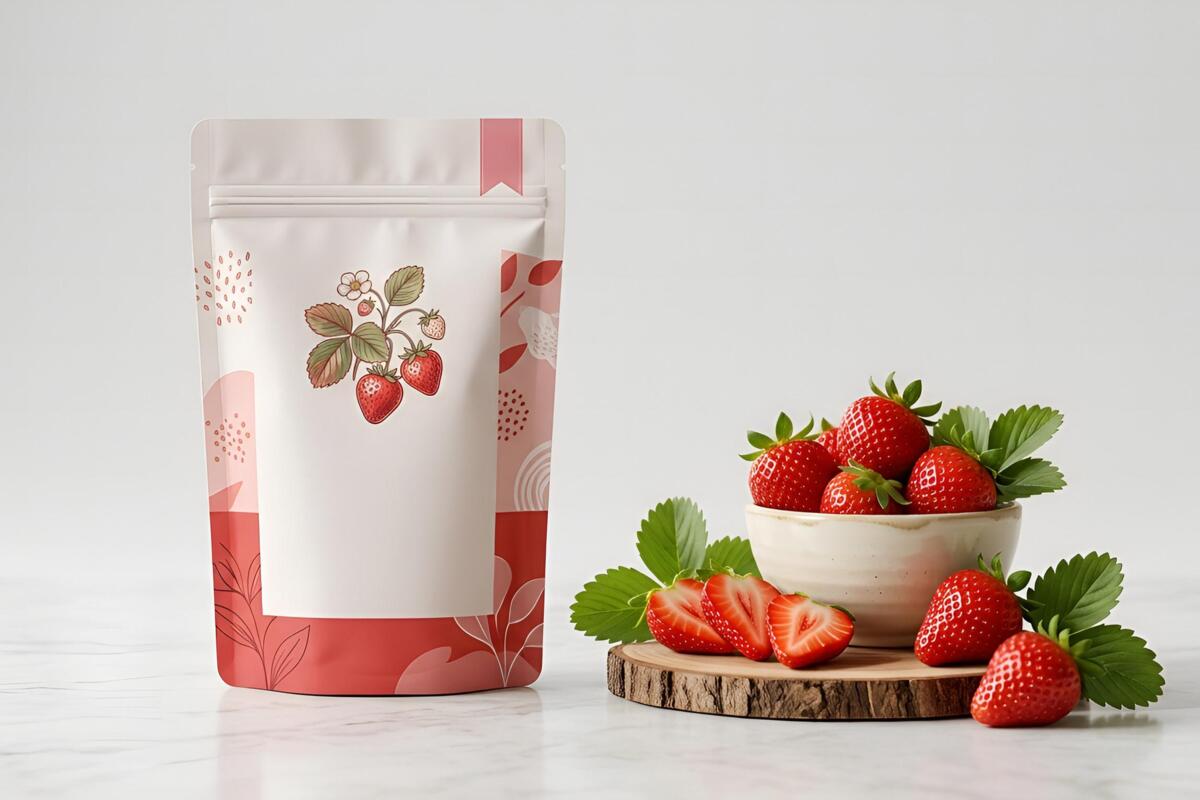
New Year, New Pouch: Refresh Your CPG Packaging for 2027
23 October 2026
A new year is a useful deadline to review a pouch that no longer represents the product inside. Something has usually changed: the recipe, the lineup, the sales channel, or what customers can work out from the front panel. A new color palette on its own does not justify replacing good inventory.
Digital printing lets us revise artwork and run standard pouches without printing plates or a minimum order quantity, which keeps the cost of being wrong low. The strongest refresh starts by deciding what the current pouch needs to do better.
When Should a Brand Refresh Its Packaging?
A refresh is worth considering when the pouch creates a problem for buyers or no longer describes the product accurately. You may have a reason to update it if:
- Shoppers cannot tell flavors or varieties apart at a glance.
- The front panel buries the product name beneath badges and callouts.
- A recipe, selling quantity, or certification has changed.
- Customers struggle to open, fill, store, or reclose the pouch.
- A new sales channel calls for clearer product photos or shelf presentation.
Each issue points to a different payoff: faster recognition, more accurate information, or a package that is easier to use. Name which one you are buying before you brief a designer, because the answer changes what the artwork has to do.
Which CPG Packaging Trends Are Worth Considering for 2027?
Clearer front panels, more careful claims, and formats chosen for how the product is actually handled are the directions worth examining. They sit downstream of the five shifts small brands felt across flexible packaging in 2026. Treat each one as a question for your own brand, not a prediction every CPG package must follow. The test is whether a change helps customers identify, understand, and use your product.
Make the Front Easier to Read
Look at the pouch from the distance at which a shopper would first see it. Can they identify the product and distinguish its flavor or variety? If a burst of badges and callouts competes with the product name, choose the few messages that help someone make a purchase decision. A snack pouch may need a clear flavor cue; an unfamiliar product needs a plain description of what it is. The balance shifts by category across chocolate, coffee, snack, and supplement packaging.
Keep the back panel useful, too. If the brand story has changed, say what is current in direct language. A redesign should give customers a quicker understanding of the product, not simply give the design team more room to decorate.
Review Claims Before Reusing Them
A badge copied from an old file still needs a current basis. Confirm ingredient, dietary, certification, and environmental claims with the person responsible for your product information before approving new artwork. The FTC’s Green Guides warn against broad, unqualified claims like “green” or “eco-friendly,” and set a 60% access threshold before a pouch can be called recyclable without qualification.
This is especially relevant when a refresh changes the film or adds a window. Do not let artwork imply a property that the selected pouch material cannot support.
Reconsider the Feel and Function
A matte or gloss finish changes how the pouch looks under light and feels in the hand. A clear window can show the product, but it also affects the material and artwork setup. A zipper may make sense for a multi-use product; a hang hole matters only if the pouch will be displayed on a peg. Our stand-up pouches offer twelve standard sizes and clear, white, or metalized film, so tie each choice to how customers buy and use the package.
Keep the physical product in the decision. A new graphic will not solve a pouch that is too narrow to fill or too large for the amount sold, which is where most sizing mistakes on a first pouch order start.
How Can a Small Run Help You Test a New Look?
A full redesign is hard to judge from a flat mockup. Before changing every SKU, choose one product or a limited release and ask what you want to learn. Can shoppers identify the flavor faster? Does the revised pouch look right next to the current range? Is the new finish readable in your usual store lighting?
Digital printing runs without plates or a minimum order quantity on standard pouches, and a standard run ships in five business days. You can order a small run with revised artwork, handle the finished package, and gather feedback before extending the design to other products.
For a new flavor or seasonal design, check whether it can use the same pouch size, material, finish, and features as your existing products. When those specifications match, we can apply a multi-SKU discount at checkout, even if you order different quantities for each design.
How Do You Refresh Your CPG Packaging Without Starting Over?
Keep what customers already recognize unless it is causing the problem. A familiar logo, color cue, or product name may still do its job. Change the elements that failed your review, then test whether the revised pouch is clearer rather than merely different. A manageable refresh follows this order:
- Name the problem. Identify the specific confusion, outdated claim, or functional complaint.
- Choose the smallest useful change. It might be clearer flavor names, revised back-panel copy, a different finish, or a better-fitting size.
- Check the real pouch. Fill a sample if the size changes; order a small printed run if artwork or color is the concern.
- Get feedback in context. Put the old and new versions beside competing products or show them to the customers you serve.
- Approve each SKU carefully. Confirm the final copy, artwork, and pouch options before broadening the rollout.
If the refresh includes a new size, rebuild the artwork on the matching dieline, which is the step that most often trips up a first custom pouch order. If the change is graphics only, keep the physical specifications consistent across versions when that suits production and display. The goal is a package that performs better for your product, not a long list of changes to announce in January.
Choose a Packaging Partner Who Can Help You Test the Change
A redesign is more than a new file. A change in artwork, size, finish, or closure has to work on the finished pouch and with the product inside. We make our pouches in-house in Brooklyn Park and print them digitally, so the people answering your questions are the people running your order.
Tell us what is changing and what the current pouch is failing to do. Whether you need a clearer snack package, a new flavor design, or a different finish, work with The Packaging Lab on your custom pouch redesign. We can help you choose a pouch to test before you carry the new look across your line, so you have a practical starting point to refresh your CPG packaging.